

The Rise of AI-Generated Art: Opportunities and Controversies
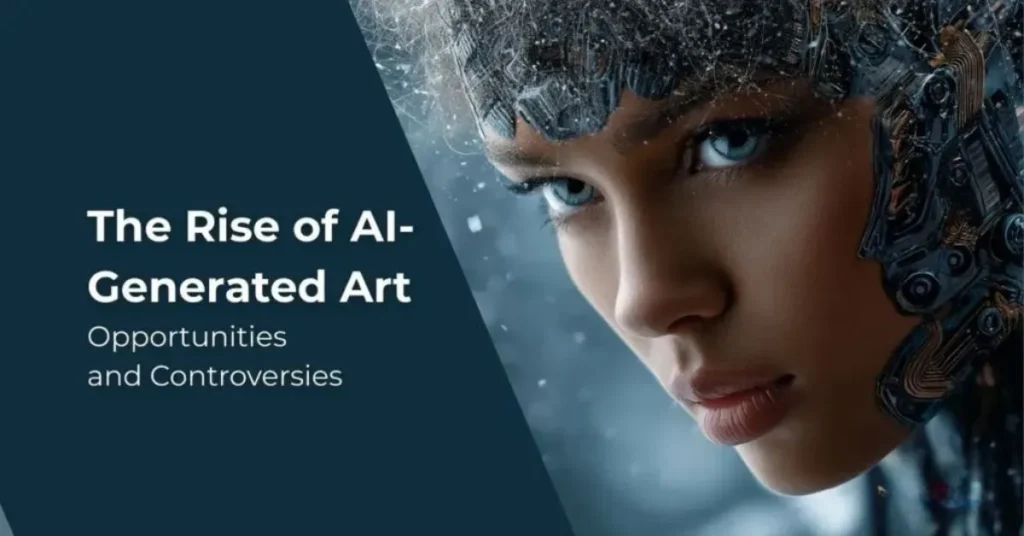
AI-generated art is quickly changing the creative world. A few years ago, it took hours of training, expensive software, and a lot of effort to create a professional-level digital painting or design. Today, there are tools like DALL·E, MidJourney, Stable Diffusion, and FreePixel AI Tools that let anyone make beautiful artwork very quickly by typing in a simple text description.
Think about it: a marketer who once needed to hire a designer for every social media post can now produce eye-catching visuals instantly. A small business owner can create a logo, product example, or advertising campaign without spending a lot of money. Even people who have never held a paintbrush before are creating stunning landscapes, futuristic characters, and surreal art pieces.
But as exciting as this is, AI-generated art also raises important questions. Are we encouraging creativity or making it weaker? Are human artists being celebrated or replaced by technology? What happens when copyright laws can’t keep up with fast-changing technology?
Let’s look at the good and bad parts of this revolution, and see where AI art might go in the future.
Table of Contents
The Opportunities of AI-Generated Art
1. Creativity Without Barriers
- In the past, art was something that only a few people could do. They had to have a lot of training or be naturally talented. Now, AI has made things fairer. Anyone with an idea can make it real in minutes.
- A student working on a school project can create professional illustrations.
- A blogger can create unique visuals that match their brand.
- A social media influencer can make eye-catching content every day without spending a lot of money.
This democratization of creativity is one of the biggest breakthroughs of AI-generated art.
2. Faster and Cost-Effective Design
Time is money, especially in today’s fast-paced digital world. With AI, businesses no longer have to wait weeks for a design revision or spend thousands on multiple concepts.
FreePixel AI Tools are a game-changer. They empower brands to create stunning backgrounds, product images and marketing visuals at a fraction of the cost. AI is an essential tool for startups, entrepreneurs and creators working with limited budgets thanks to its speed and affordability.
3. Inspiring Human Creativity
AI isn’t just about replacing effort; it can also spark new ideas. Artists around the world are using AI to overcome creative obstacles. Imagine telling an AI program to create a picture of a futuristic city underwater. The AI would instantly generate 10 different versions of that image. Then, an artist can improve one version of the image to create a detailed painting or 3D model.
AI is becoming a co-creator, inspiring artists and speeding up the brainstorming process..
4. Global Accessibility to Art Tools
Digital art tools used to require powerful computers, expensive subscriptions and technical know-how. AI platforms have completely eliminated these barriers, making it possible for anyone with an internet connection, even a smartphone, to easily create high-quality art.
This is especially important in places where people don’t have much access to traditional art education or supplies. Now, creativity in the digital world is not limited by geography or wealth.
5. Business Opportunities and New Markets
AI-generated art has created new opportunities for business.
- NFTs and digital collectibles: Creators are making unique AI art pieces and selling them as NFTs.
- Marketing and advertising: Brands use AI art for campaigns, which reduces production costs.
- Personalization: AI can create customized visuals on a large scale, like personalized wallpapers, avatars, or greeting card
- This combination of creativity and business is changing entire industries.
The Controversies of AI-Generated Art
1. Copyright and Ownership Dilemmas
Who owns AI-generated art? Does the person who typed the prompt own it? Do the developers of the AI own it? Or does it belong to the millions of artists whose works trained the algorithm? This is one of the most confusing legal issues in 2025.
Some AI platforms give users full commercial rights, while others keep some restrictions. Until there are clear global laws about ownership, creators are uncertain.
2. Threat to Traditional Artists
Many professional artists see AI as more of a competitor than a tool. Companies that used to pay for custom illustrations may now use AI to save money. This makes people worry about whether illustrators, photographers, and designers will be able to find a job.
The question is how to support human artists while also using the benefits of AI.
3. Authenticity and Originality
Is AI truly creative, or is it just remixing what already exists? Some people say that AI art isn’t “original” because it uses a lot of data from human-made art that already exists. Some AI creations have been found to look very similar to copyrighted works, which raises questions about what is right and what is legal.
4. Ethical Concerns in Usage
AI-generated art can be misused in the wrong ways, such as:
- Misinformation is spread through deepfakes.
- False images in journalism trick people.
- Content that copies a living artist’s unique style without permission..
It’s important to be clear about what is real and what is artificial. Should we always label AI art as such?
The Future of AI-Generated Art
So, what’s next?
Experts believe that the future lies in co-creation, where humans and AI work together. AI can handle repetitive, technical, or experimental tasks, while human artists bring originality, emotion, and storytelling.
We may also see the rise of regulations for AI art, ensuring copyright protection and ethical usage. Artists might even give their styles to AI companies. Then, the companies pay the artists when their style is used in the generated works. ( Starryai )
Imagine an art world where:
- AI inspires new ideas.
- Artists keep ownership and credit.
- Businesses can use affordable design tools.
- Creativity knows no limits, but it must also be ethical.
This balance is the future of digital creativity.
Conclusion
AI-generated art has its upsides and downsides. On one hand, it helps people be more creative, makes design faster and cheaper, and inspires new ways to express art. On the other hand, it brings up important questions about copyright, fairness, and authenticity.
The truth is somewhere in the middle. AI doesn’t take the place of human creativity; it makes it stronger. The brush, the canvas, the story, and the emotion still belong to us. But AI lets us dream bigger, work faster, and reach more people than ever before.
The future of art isn’t just about a competition between humans and AI; it’s about a collaboration between the two.
FAQs
Q1. What is AI-generated art?
AI-generated art is digital artwork created using artificial intelligence that analyzes data, styles, and patterns to produce unique visuals.
Q2. Can AI-generated art be sold commercially?
Yes, but always check the terms of the AI tool you use. Some grant full commercial rights, while others limit usage.
Q3. Does AI replace traditional artists?
No. While AI speeds up creation, human creativity, emotions, and personal storytelling remain irreplaceable.
Q4. What are the risks of AI-generated art?
The main risks include copyright disputes, over-reliance on technology, and unethical uses like deepfakes or plagiarism.
Q5. How will AI-generated art evolve in the future?
AI is expected to become a collaborative partner for artists, with more ethical frameworks and regulations ensuring fair usage.